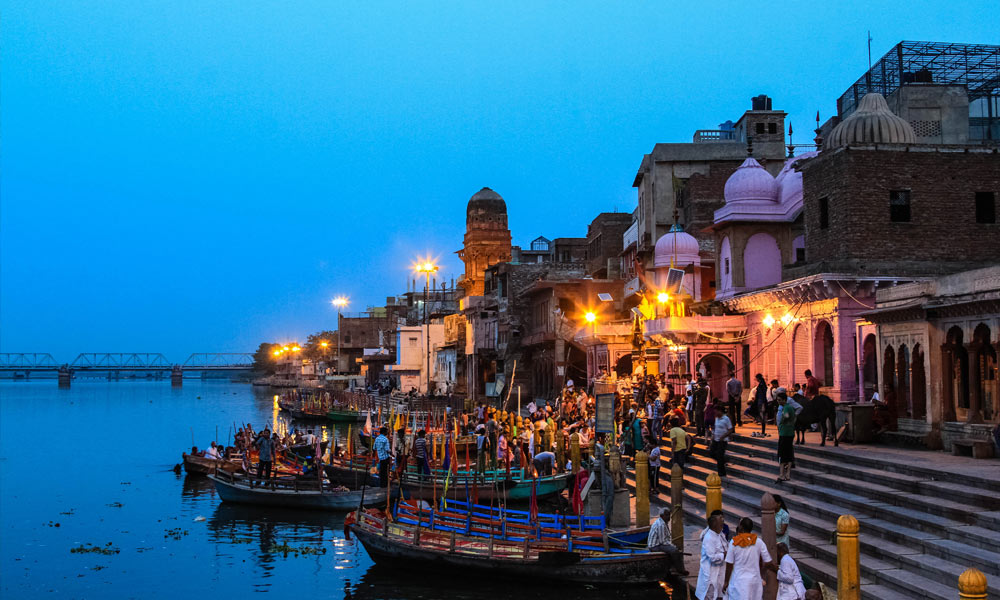
Nestled along the sacred Yamuna River, Mathura is one of India’s most revered spiritual cities and the birthplace of Lord Krishna. Known as the heart of Braj Bhoomi, the city is deeply rooted in mythology, devotion, and cultural heritage. From the sacred Krishna Janmabhoomi Temple to the serene Yamuna ghats, every corner reflects divine stories and timeless faith. More than a destination, Mathura offers a soulful spiritual experience filled with peace, devotion, and eternal charm.
यदा यदा हि धर्मस्य ग्लानिर्भवति भारत।
अभ्युत्थानमधर्मस्य तदात्मानं सृजाम्यहम्॥
In the sacred land where every breeze whispers ‘Radhe Radhe’ and every corner echoes divine leelas, Mathura stands as an eternal symbol of faith, love, and spirituality.
Nestled on the sacred banks of the Yamuna River, Mathura stands as one of the most revered and spiritually significant cities in India, celebrated across centuries as the divine birthplace of Lord Krishna. With a history that stretches back thousands of years, this ancient city is deeply woven into the fabric of Hindu mythology, religious traditions, and cultural heritage.
Mathura is not merely a geographical destination-it is the heart of Braj Bhoomi, a land sanctified by the leelas (divine pastimes) of Lord Krishna, where every street, temple, and ghat echoes stories of divine love, righteousness, and devotion. From the sacred site of Krishna Janmabhoomi, where the Lord is believed to have incarnated, to the serene ghats of the Yamuna where devotees gather for prayers and rituals, the city radiates an aura of timeless spirituality.
Rich in mythology, devotion, art, and living traditions, Mathura has been a center for pilgrimage, philosophy, and bhakti (devotional worship) for centuries. It has inspired saints, poets, and devotees, becoming a cornerstone of the Bhakti movement and a symbol of unwavering faith. The rhythmic chants of “Radhe Radhe”, the fragrance of incense, and the sight of temples adorned with flowers create an atmosphere that is both peaceful and profoundly uplifting.
What truly sets Mathura apart is its ability to offer more than just sightseeing-it provides a deep spiritual connection, allowing every visitor to experience a sense of inner peace, devotion, and divine presence. Whether you are a pilgrim seeking blessings, a traveler exploring India’s rich heritage, or a seeker on a spiritual journey, Mathura welcomes you with an embrace of faith, history, and eternal devotion.
Nestled on the sacred banks of the Yamuna River, Mathura is one of India’s most revered spiritual cities and the birthplace of Lord Krishna. Rich in mythology, devotion, and cultural heritage, it stands as the heart of Braj Bhoomi, where every temple and ghat reflects divine stories and timeless faith.
More than just a destination, Mathura offers a deep spiritual experience, connecting every visitor to peace, devotion, and eternal faith.
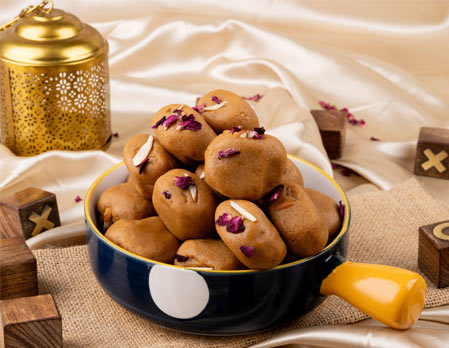
Food – A Taste of Divine Simplicity
Mathura’s cuisine is deeply rooted in satvik (pure vegetarian) traditions, reflecting its spiritual essence.
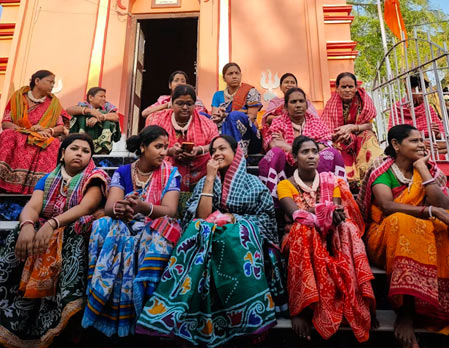
Clothing – Simplicity with Devotional Grace
Traditional attire in Mathura reflects humility and devotion:
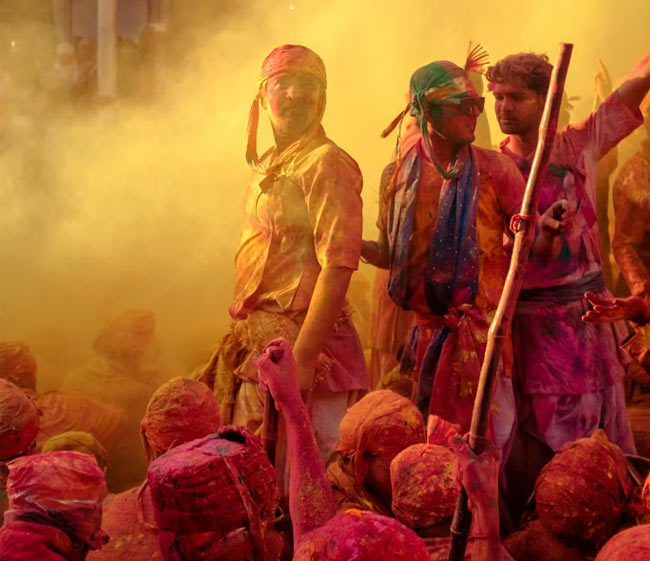
During festivals, the city transforms into a riot of colors and traditional elegance.
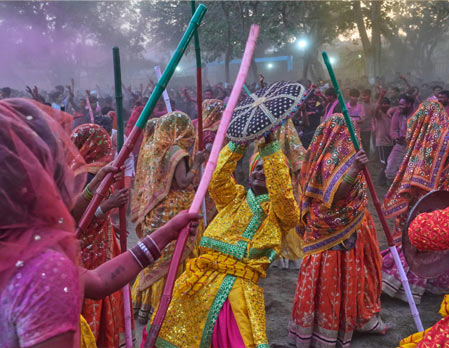
Traditions & Festivals – Celebrating Krishna’s Leelas
Mathura celebrates festivals with unmatched fervor:
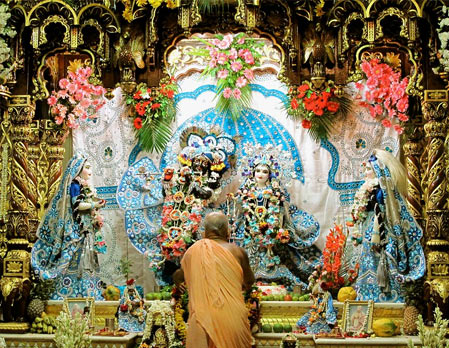
Spiritual Significance – The Heart of Bhakti Movement
Mathura is among the Sapta Puri—the seven sacred cities in Hinduism believed to grant liberation (moksha).
The sacred Yamuna River is believed to cleanse sins and bring spiritual awakening.
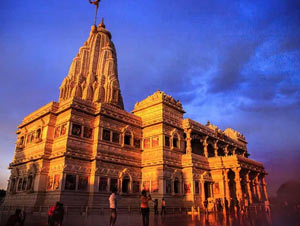
Shri Krishna Janmabhoomi Temple
Sacred birthplace and spiritual heart of Lord Krishna.
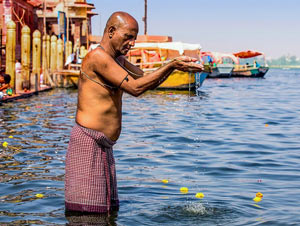
Vishram Ghat
Holy Yamuna ghat famous for its enchanting evening aarti.
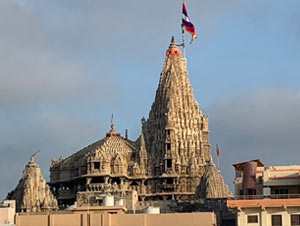
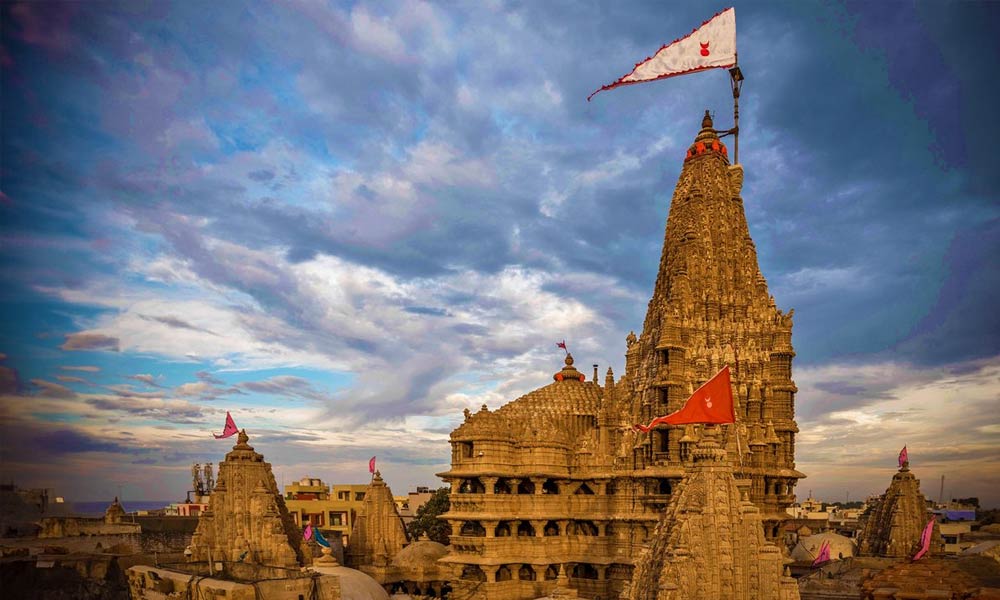
Dwarkadhish Temple
Renowned for vibrant festivals and beautiful temple architecture.
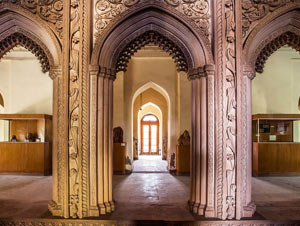
Government Museum Mathura
Home to rare ancient sculptures and historical treasures.
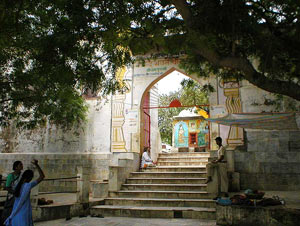
Gokul
Peaceful village where Lord Krishna spent his childhood years.
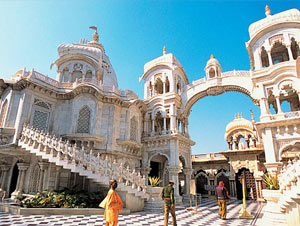
Vrindavan
Divine temple town known for devotion and Krishna bhakti.
What truly sets Mathura apart is its unmatched spiritual vibration. It is not just seen—it is felt deeply within the soul.
Conclusion - A Journey to the Divine
Mathura is not just a place you visit-it is a spiritual experience that transforms you. Whether you seek devotion, culture, or peace, this sacred city offers something beyond imagination.
मन को शांति, आत्मा को मुक्ति – यही है ब्रजभूमि की भक्ति
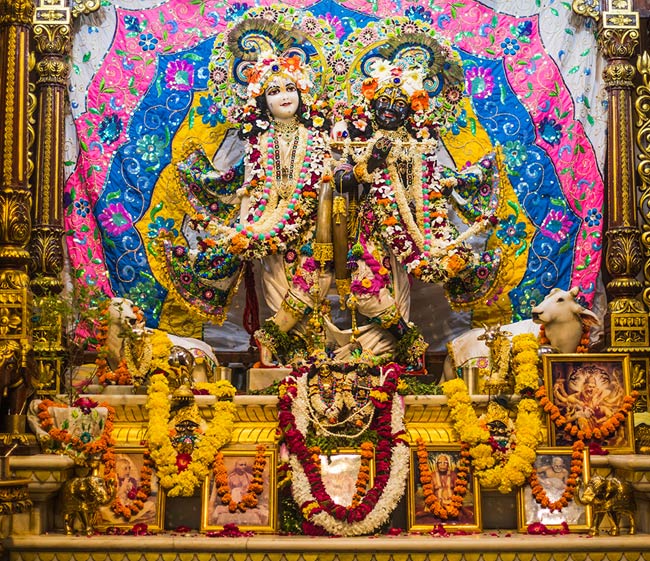
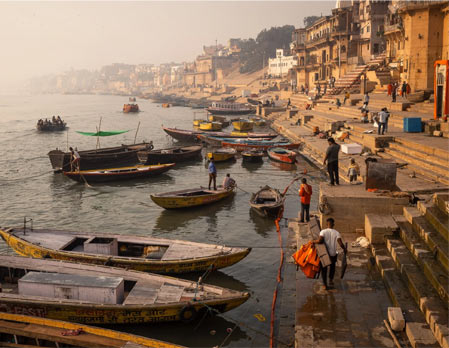
Duration: 10 Nights – 11 Days
Routing: Delhi | Varanasi | Haridwar | Rishikesh | Jaipur | Agra | Mathura
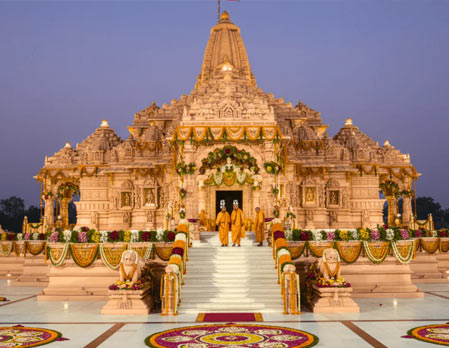
Duration: 09 Nights – 10 Days
Routing: Delhi | Varanasi | Ayodhya | Lucknow | Vrindavan | Delhi
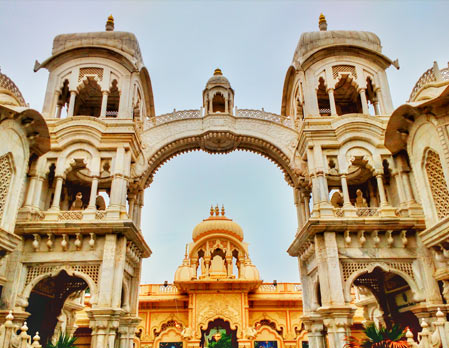
Duration: 04 Nights – 05 Days
Routing: Delhi | Varanasi | Ayodhya | Lucknow | Mathura | Vrindavan
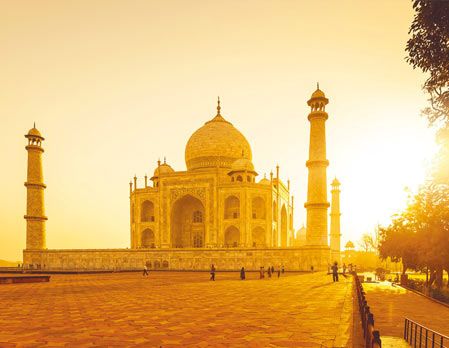
Duration: 07 Nights – 08 Days
Routing: Delhi | Mathura | Vrindavan | Agra | Abhaneri | Jaipur
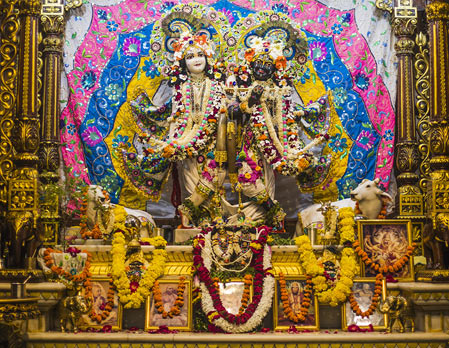
Duration: 05 Nights – 06 Days
Routing: Delhi | Mathura | Vrindavan | Agra | Delhi
